Operating System
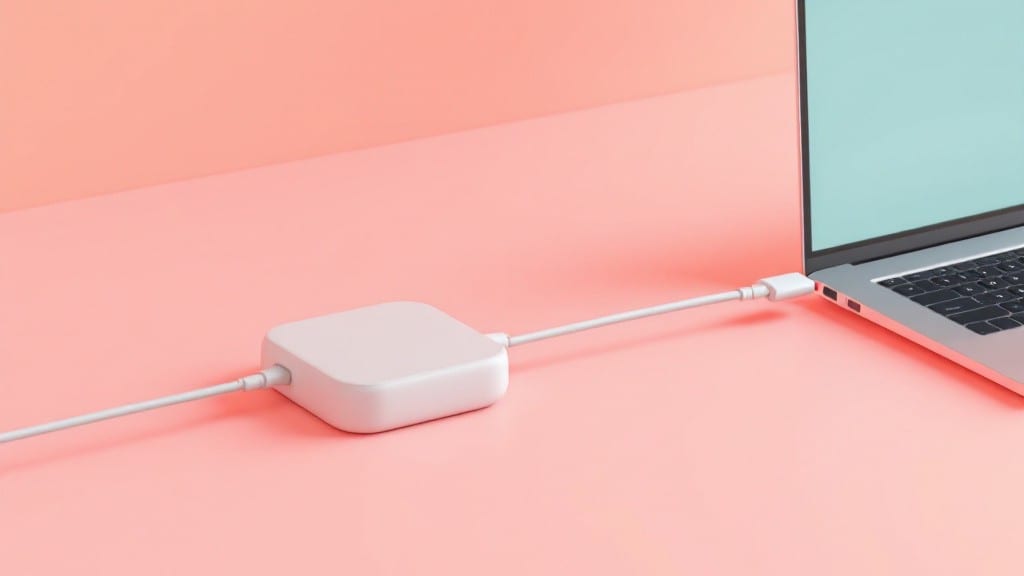
The Surface Thunderbolt Dock USB-C (Surface Connect) turns your Surface device into a powerhouse with a single cable—no more tangled wires or slow transfers.
Struggling with slow data transfers, multiple cables, and limited ports on your Surface device? This dock delivers 40Gbps speeds, dual 4K monitors, and even Ethernet over USB-C—all while keeping your workspace clean. Below, I’ll walk you through setup, compatibility, and how it outpaces other docks.
How the Surface Thunderbolt dock USB-c maximizes speed and compatibility
The Surface Thunderbolt Dock USB-C leverages Thunderbolt 4 technology to deliver 40Gbps transfer speeds, making it one of the fastest docks available for Surface devices.
Unlike traditional USB-A docks, this model uses a single USB-C Surface Connect port to handle data, video, and power—eliminating the need for multiple cables. This design not only reduces clutter but also ensures seamless compatibility with Surface Pro 8/9 and Surface Laptop 4/5, along with other Windows PCs.
With dual 4K monitor support at 60Hz, the dock connects up to two external displays while maintaining crisp visuals. It also includes a 10Gbps Ethernet port for stable wired connections, a USB-A 3.1 port for legacy devices, and a USB-C charging port that delivers up to 90W of power.
This means you can charge your Surface device while transferring large files or running demanding applications without lag.
One of the standout features is its USB-C certification, which ensures backward compatibility with USB 3.2 Gen 2x2 and DisplayPort 1.4. This means you won’t lose functionality if you connect it to a device that doesn’t fully support Thunderbolt 4.
The dock also supports Windows Hello for secure authentication, making it ideal for both personal and professional use.
The Surface Thunderbolt Dock USB-C is designed to work with a wide range of peripherals, including external SSDs, gaming controllers, and high-speed storage devices. Whether you're transferring 4K video files, running virtual machines, or connecting to a network-attached storage (NAS) system, the dock ensures smooth performance.
Its compact design also makes it perfect for travel-friendly setups, allowing you to expand your Surface’s capabilities without sacrificing portability.
Here’s a quick breakdown of the dock’s key specifications and features:
<summary-table>| Feature | Specification |
|---|---|
| Interface | USB-C (Surface Connect) |
| Thunderbolt Version | Thunderbolt 4 (40Gbps) |
| Display Support | Dual 4K@60Hz or Single 8K@60Hz |
| Ethernet Port | 10Gbps (RJ-45) |
| USB Ports | 1x USB-A 3.1 Gen 2, 1x USB-C (charging) |
| Power Delivery | Up to 90W |
| Compatibility | Surface Pro 8/9, Surface Laptop 4/5, Windows PCs |
| Security | Windows Hello Support |
The dock’s Thunderbolt 4 support ensures that you can take full advantage of high-bandwidth applications, such as video editing, 3D rendering, and large file transfers.
For example, copying a 1TB dataset between your Surface and an external SSD will take just a few minutes, compared to hours with older USB standards. This level of speed is particularly useful for professionals who rely on real-time data processing or high-resolution media workflows.
Compatibility isn’t limited to Microsoft devices. The dock also works with macOS and Linux systems that support Thunderbolt 4, making it a versatile choice for mixed-environment workspaces.
However, some features like Windows Hello or Surface-specific optimizations may not be available on non-Windows devices. Always check your device’s specifications before purchasing to ensure full compatibility.
For users who frequently switch between devices, the Surface Thunderbolt Dock USB-C simplifies transitions. Its plug-and-play design means you can connect it to your Surface, and Windows will automatically install the necessary drivers. This eliminates the need for manual configurations, saving you time and reducing the risk of connection errors.
Whether you're setting up a home office or a collaboration space, the dock ensures a seamless experience.
If you're looking to maximize productivity without sacrificing flexibility, the Surface Thunderbolt Dock USB-C is a game-changer. Its combination of high-speed data transfer, multi-monitor support, and power delivery makes it an essential accessory for anyone using a Surface device.
Plus, its compact design ensures it won’t take up valuable desk space, keeping your workspace clean and organized.
Ready to upgrade your setup? The Surface Thunderbolt Dock USB-C is available through Microsoft’s official stores and authorized retailers, ensuring you get a genuine product with full support.
Whether you're a creative professional, a business user, or a tech enthusiast, this dock will help you unlock the full potential of your Surface device.
Step-by-step guide: plug-and-play setup for faster data transfer
Setting up the Surface Thunderbolt Dock USB-C is designed to be effortless, but a few key steps ensure you unlock its full 40Gbps Thunderbolt 4 potential. Start by powering off your Surface Pro/Laptop to avoid any conflicts during the initial connection.
This dock supports dual 4K monitors, USB-A devices, and even Ethernet, so alignment matters for optimal performance.
Before plugging in, ensure your Surface device runs Windows 10 (version 2004+) or later. Older OS versions may lack the necessary Thunderbolt drivers. If you’re using a Surface Pro 8 or newer, you’re already covered—these models include built-in Thunderbolt 4 support via the Surface Connect port.
For older devices, Microsoft provides updated drivers on their support site.
Connect Your Surface Thunderbolt Dock USB-C
-
1Power off your Surface device and unplug any existing cables. This prevents data corruption during the initial handshake.
-
2Align the USB-C cable securely into the Surface Connect port on your device. Push firmly until you hear a click—this ensures a stable 40Gbps connection.
-
3Power on your Surface. Windows should auto-detect the dock and install Thunderbolt drivers if not already present. If prompted, allow driver installation to proceed.
-
4Connect peripherals like monitors, USB drives, or Ethernet. The dock’s USB-A ports and HDMI 2.0 will now work at full speed, provided your device supports Thunderbolt 4.
-
5Verify speeds by copying a large file (e.g., 10GB) to an external SSD via USB-A. Speeds should exceed 5Gbps—far faster than traditional USB 3.2.
⚡ Pro Tip: If a device isn’t recognized, restart your Surface or update drivers via Device Manager > Thunderbolt.
If your external storage or peripherals aren’t detected, check for port conflicts. Unplug all non-essential devices and reconnect them one by one. Some USB-A devices may default to USB 2.0 speeds—right-click the device in Device Manager and select "Properties > Power Management" to disable power-saving modes.
For optimal performance, enable Thunderbolt tuning in Windows. Press Win + X, select "Device Manager", expand "Thunderbolt", right-click your dock, and choose "Properties > Advanced". Set "Thunderbolt Tuning" to "Maximum Performance" if available. This ensures 4K@120Hz displays and NVMe SSD speeds reach their peak.
Troubleshooting connection drops? Try a different USB-C cable—not all cables support Thunderbolt 4. Microsoft’s official Surface Connect cable is your safest bet. If issues persist, reset the dock by unplugging it for 30 seconds, then reconnect.
For Linux/macOS users, ensure your OS supports Thunderbolt 4 and install the latest Thunderbolt firmware updates from Microsoft’s support site.